It’s a bit of a mind bender! Took me quite some time to get used to it.
Go to https://github.com/suttacentral/bilara-data/tree/published/root, the directory that contains all the “root” texts. Normally when you think of root you are thinking Pali, Sanskrit, etc.
However, you will see this:
English as a root language. It’s crazy!
Go into that folder and you will see blurb and site
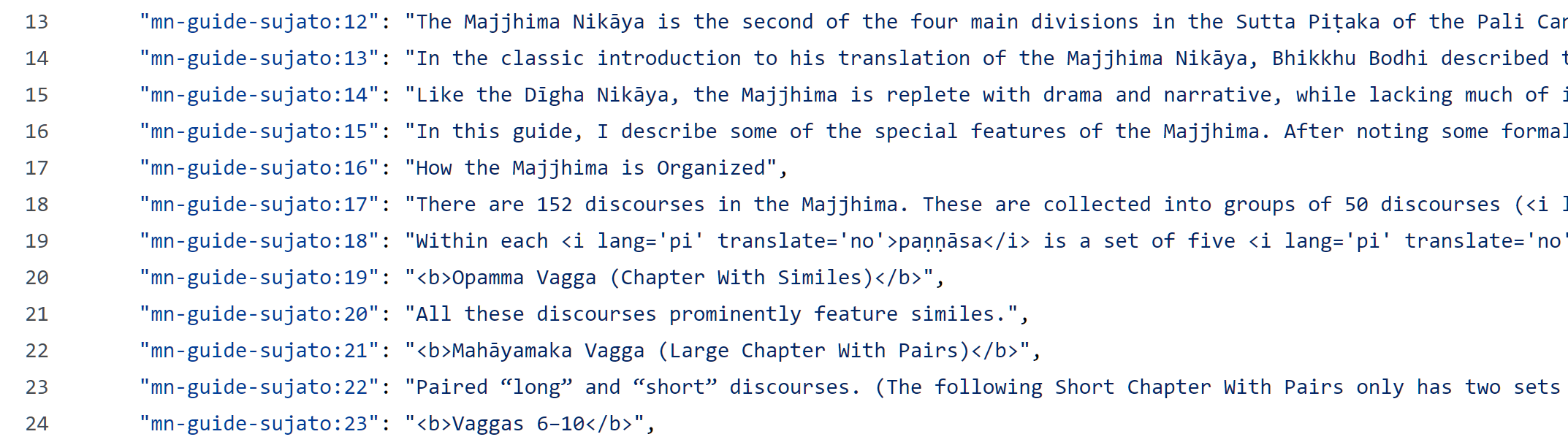
In site you can find all of the interface text (menus, etc.) as well as all of Bhante Sujato’s essays and introductions. They are broken up into segments just like Pali texts. For example:
https://github.com/suttacentral/bilara-data/blob/published/root/en/site/mn-guide-sujato_root-en-site.json
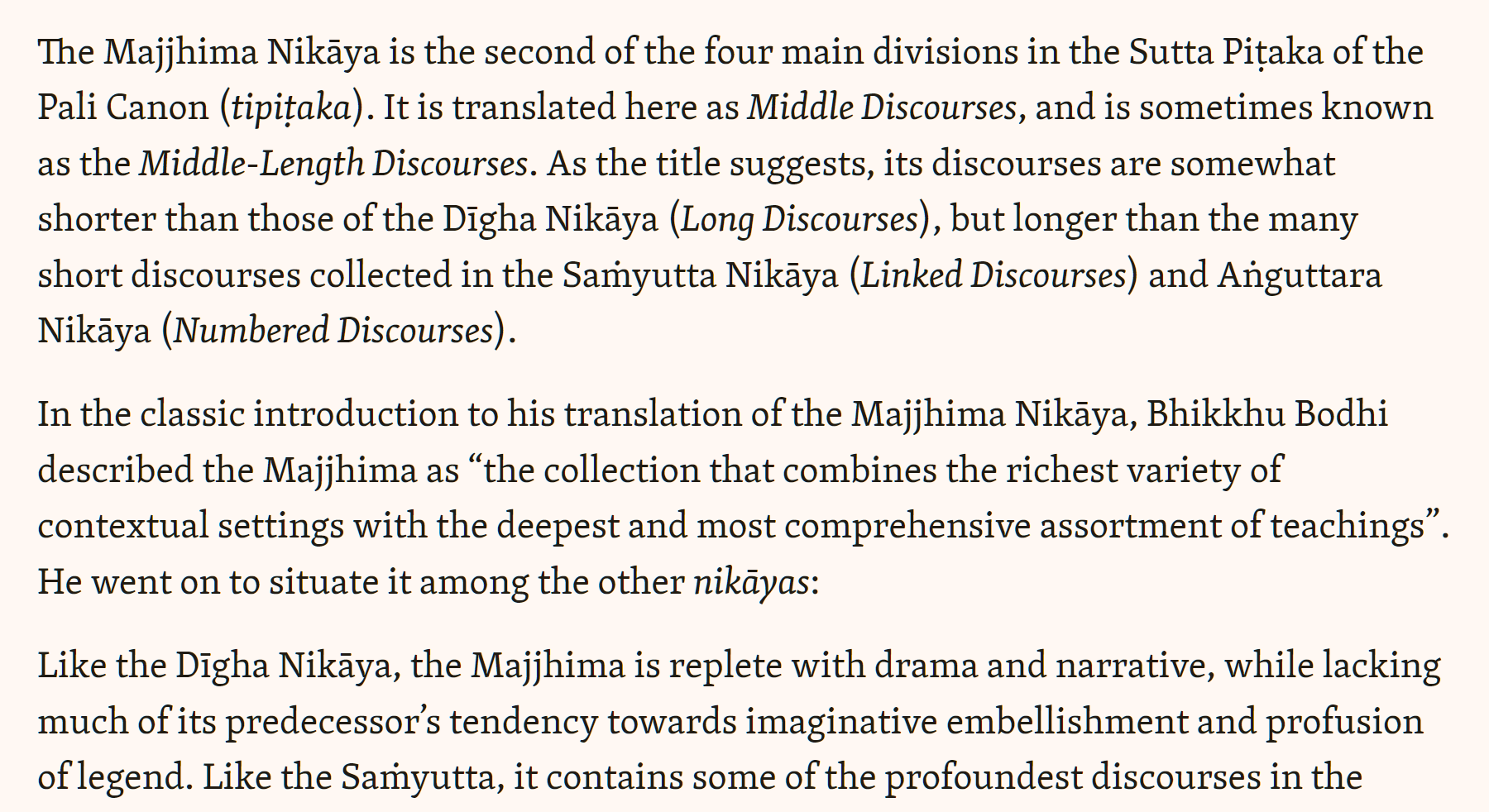
https://suttacentral.net/edition/mn/en/sujato/introduction?lang=en
So as @WayChuang said, once these texts are in Bilara, to translate it you can pick the English root texts just like you would pick a Pali root text.
But to get there, someone would need to break your English text into segments and make a file like the one above for Bhante’s MN introduction. Then they would have to make a file with an html template to be used when the texts are built for the web (either English or a translation).
And finally, the footnotes would have to be put into their own file with notes corresponding to segments (just like in the Pali translation).
The thing is, once your “root” texts (that are in English, the intros, etc) are broken up into segments for Bilara, it becomes a bit trickier to change the structure, meaning major editing where you move/delete/add paragraphs.
On the other hand, once they are in Bilara they become trivial to edit for typos, etc, just like your translations are.
Bhante @Sujato, please correct me if I’m wrong.



 )